


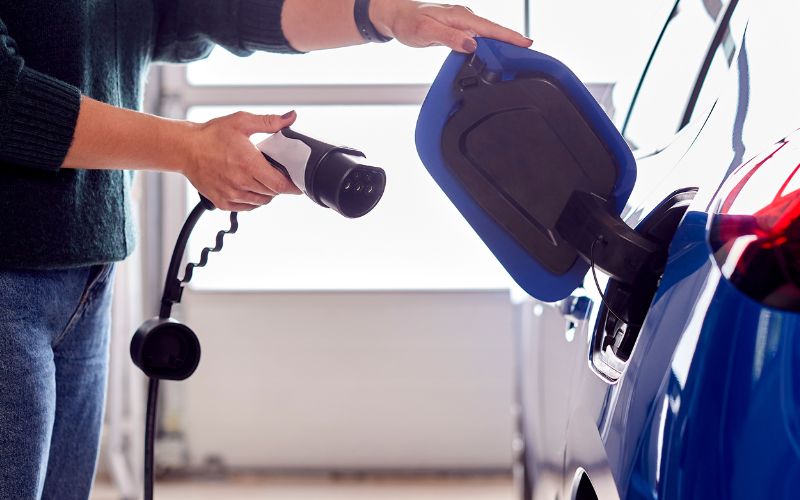
As a chauffeur, particularly of PCO Private Hire Car chauffeurs, most of your time is spent on the road. You might find yourself idling while waiting between trips or due to traffic at other times. Rather than waste that time, you can actually use the time to recharge while you earn. Charging your car during idle time will allow you to power through without running out of fuel.
Here we will discuss how you can charge your electric vehicle when you are not working and why it is such an excellent choice for PCO chauffeurs. We will also look at benefits, problems, and some advice on how to get the most out of working while charging. And, we’ll debunk some myths.
Why Charging While You Work is Important for PCO chauffeurs
Your car is your business as a PCO chauffeur. Your car should be kept charged because it is your working car. Charging while on duty lets you use waiting time to top up your car, so it’s ready for the next job without wasting time.
Electric vehicles must be charged, and PCO chauffeurs usually have idle moments where they can charge the vehicle battery. Rather than wasting time sitting idle, you can charge your car and maintain it in working order at all times. This way, you do not need to make stopovers at charging stations during working hours.
-
Making Full Use of Idle Time to Charge
Being a chauffeur, you have downtime during the day. It might be waiting for a client or when you take a break. That is when you should charge your electric vehicle.
How Idle Time Works for Charging
It is easy to charge your car while you sit in one spot. When you are sitting in a parking lot for 30 minutes, you can charge your car to fill the battery. This can provide you with enough power based on your car and charger to make it through the day. Short charges are also convenient.
Where to Park and Charge
To make use of spare time, you need to park where you can charge your vehicle. Some of the best places are:
Public Charging Points: These are normally located in urban and town areas. You can attend to them while awaiting the next task. Most charging points charge vehicles at a faster rate, so you save less time.
Home Charging: When close to home or your hub, you can charge at home to fill up before heading out anew.
Charging in Congested Areas: Airports, shopping centers, or transport terminals have charging facilities. They are excellent places to stop by and charge while waiting for a passenger.
These locations ensure you get to have your car ready while you relax.
-
Advantages of Charging When Available
It is convenient to charge when you are available. Here are some of the most significant reasons why it is a good practice for PCO chauffeurs:
More Convenience and Flexibility
Being a Luxury PCO chauffeur, you need to be available for any task at any hour. Charging on standby does not mean that you waste time on lengthy pauses looking for a charging point. You can always be ready to travel, which saves your time and makes the most of your working day.
No Fuss About Battery Drain
It is stressful to have to concern yourself with how you are going to maintain a charge while conducting work. Charging during your downtime can get rid of this concern. You will always possess a sufficient amount of power to take you to the next work session or ride. This prevents you from having to shorten work time to get an extended charge.
Save Money on Charging Costs
It may be cheaper for you to charge your car while standing still. You can charge for a minimum or zero charge when using public charging stations. Rather than spending a lot of money on fast-charging stations, you can opt for free or low-charge ones while you wait. It benefits you in the long run.
Work More and Earn More
By charging as you idle, you will not have to make extended breaks. You are able to ride longer and continue earning money worry-free from the battery draining. The longer you ride, the more money you are able to earn.
-
Drawbacks of Charging While You Work
While charging while idling is an advantage, there are certain drawbacks to be aware of. These can be averted with some planning ahead.
Availability of Charging Points
There aren’t charging points in all locations. You may find it difficult to park next to a charging point, particularly during rush hour. Please prepare and be aware of approximately where the charging points are on your route.
Charging Time Can Be Slow
Depending on which charger you use, it will charge your vehicle longer. Some chargers cost more and are fast chargers. Slow chargers charge for a longer period, and this could be a setback if you need to hurry.
Finding Parking
Not all parking places have charging points. It’s advisable to park where you will have space to charge your vehicle. This might be challenging if parking in high-density areas, so make arrangements in advance so that you don’t spend time looking for a place.
Fast Charging Is Expensive
Fast chargers are expensive. Although they charge your car faster, you will pay more, too. You need to calculate the expense of using fast chargers often.
-
Best Charging Tips When Working
To make your downtime as productive as possible, some tips will help you charge your car more efficiently. This is how you can best utilize your time:
Plan Your Route
Even before you begin your day, locate where the charging points are along your route. You can also have apps installed on your mobile to help you locate charging points around you. Route planning enables you to charge at your leisure.
Use Fast Chargers When You Can
If you are running short of time and need a quick kick, use fast chargers. Fast chargers will give your car a boost in no time, saving you time. Remember, though, that fast chargers might be costlier than standard ones.
Charge During Downtime
Every time you are not driving—waiting for a fare or cruising around a red light—charge your car. Even brief charges will benefit you in the long term. Charging during such times keeps your car in line for the next encounter.
Check Your Battery Regularly
Check your battery level throughout the day. If you are running low, take time out to visit a charging station if you are not in a hurry. Checking your battery level puts you ahead of knowing when your battery needs to be charged.
Conclusion:
Charging while driving is a smart tactic for utilizing your downtime as a PCO chauffeur. Charging your car during breaks keeps it ready and saves time. With more fast chargers around, it’s simple, cheap, and keeps you driving longer.
Frequently Asked Questions
-
Can I charge my electric vehicle while I wait for a passenger?
Yes, you can charge your car while waiting for a rider. It is a good utilization of waiting time.
-
How much time does it take to charge my car during breaks?
It varies with the charger and your car. Fast chargers will give you a good amount of charge within 20–30 minutes. Slow chargers take more time, but even a small charge accumulates.
-
Do PCO chauffeurs have access to free charging points?
Yes, they have free public charging stations. Be sure to check where and how much before you charge it, as some of them charge extra.
-
Can I charge my car at home outside working hours?
Yes, in case you also have a home charging point, you can charge your car anytime you are
at home. This will keep you prepared for the next shift.
-
Do I charge from fast charging stations?
Fast charging stations are convenient when you want to charge quickly, but they might be expensive. Use them when you are in a hurry, but regular chargers are less expensive for long usage.
-
Can charging at work pay me more?
Yes! Charging at work means you can skip out on long charging breaks and be back out there sooner, making more money.
-
How do I prevent running out of battery?
Charge your battery whenever possible and schedule your charging breaks in advance. Charging while idle keeps you prepared for the next trip.