You drive for a living. You drive daily.
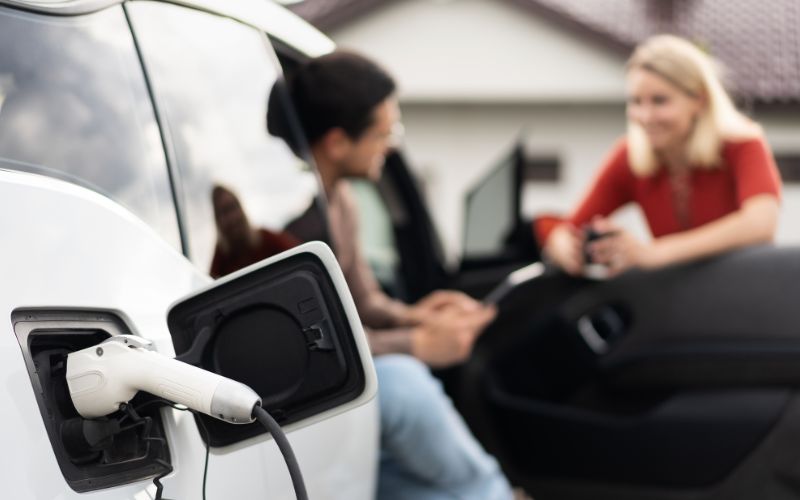
If you drive an electric car, charging is your gas.
But here’s the catch…
Not all chargers are equal.
Some are rapid. Some are slow. Some are expensive. Some are penny-pinchers.
This guide will familiarize you with the best EV charging networks for PCO chauffeurs in the UK.
We’ll keep it simple. Simple sentences. Simple words.
Who are PCO chauffeurs?
PCO stands for Public Carriage Office.
The PCO is part of Transport for London (TfL).
They provide licences to London taxi chauffeurs and private hire chauffeurs.
If you are a PCO chauffeur, you can drive for:
- Uber
- Bolt
- Ola
- Free Now
- Addison Lee
- Independent private hire companies
- You can also do airport runs, corporate work, or school runs.
- This is your living.
- You can drive 8–12 hours a day.
- You can drive 100–250 miles a day.
If you are an electric vehicle (EV) owner, you will need to charge once or even twice a shift.
Why PCO chauffeurs Pay Attention to EV Charging Networks
Home is where the car is.
Charge and don’t lose.
Charge slowly and lose money.
And that is why charging networks count:
Time equals money – Lost time equals lost revenue.
Location equals everything – You need chargers at your pick-up point.
Price equals profit – Uncompetitive tariffs push your revenue away.
Reliability is everything – A faulty charger equals lost miles.
Think of an EV charging network as your filling station.
You would not use a far-off, expensive, and often-to-be-closed filling station.
Then why use a bad EV network?
How to Select a Good Charging Network
Not all networks are suitable for PCO chauffeurs.
Here is how to choose a good one.
-
Charging Speed
Slow charge (up to 22 kW) will take hours.
Fast charge (50–99 kW) will take 40–60 minutes.
Ultra-fast charge (100–350 kW) 15–30 minutes.
The majority of PCO chauffeurs require rapid or super-rapid chargers.
Charge quicker, work sooner.
-
Unit cost per (kWh)
Some charge by the unit.
Others charge minute for minute.
Example:
50 kW charger at £0.45/kWh = about £27 to fully charge.
150 kW charger at £0.55/kWh = about £33 to fully charge.
Tip: If you need to charge only 20–30% of your battery, quicker chargers will be cheaper in the long term since you will not have to spend as much time charging.
-
Coverage and Location
Your network needs to have chargers:
Along major portions of London
Along motorways for travel across the country
Alongside airport locations for airport commutes
At shopping centers, supermarkets, and fuel stations
The more chargers in your area, the better.
-
Apps and Access
Most networks provide mobile apps these days.
They even take RFID cards or contactless payments.
Get an app that:
Displays live charger availability
Displays charging rate and price
Allows remote start and stop of charging
-
Pay-as-You-Go vs Subscription
Pay-as-you-go – Best for occasional charging.
Subscription – Best for frequent charging, cheaper per kWh.
If you drive full-time as a PCO chauffeur, a subscription could save you £30–£50 per month.
Best EV Charging Networks for PCO chauffeurs in the UK
The most widely used networks by PCO chauffeurs in the UK are.
-
BP Pulse
One of the biggest networks in the UK.
Speeds: 50 kW, 150 kW, and a handful of super-fast 300+ kW.
Locations: London, motorways, retail parks.
Pricing: Membership options and pay-as-you-go.
App: Easy to use, displays live availability.
Why it’s good for PCO chauffeurs:
Loads of places in London, reasonable prices, and good speeds.
-
Shell Recharge
Shell is building its charging network quickly.
Speed: 50–175 kW.
Locations: Shell forecourt sites, shopping malls, motorway service stations.
Prices: Slightly more expensive than BP Pulse, but very quick.
App: Okay, occasionally accepts contactless pay.
Why it’s good for PCO chauffeurs:
You can refill while having a coffee or snack from Shell sites.
-
Ionity
One of the quicker charging networks in the UK.
Speed: Up to 350 kW.
Locations: Primarily along motorways.
Pricing: More costly, but very quick.
App: Simple but useful.
Why it’s great for PCO chauffeurs:
Good for airport journeys and long bookings.
-
Gridserve
Green, clean grid.
Speeds: Up to 350 kW.
Locations: Solar-powered places, motorways.
Pricing: Mid to high.
Perks: Food, Wi-Fi, comfortable chairs.
Why it’s great for PCO chauffeurs:
You can eat, nap, and get some work done on your laptop whilst charging.
-
Osprey Charging
Robust and well-located chargers.
Speeds: 50–125 kW.
Locations: Retail parks, supermarkets.
Pricing: Mid-range.
App: Live status display.
Why it’s good for PCO chauffeurs:
Good for short end-of-job top-ups.
-
Ecotricity (Now Part of Gridserve)
Old but still reliable.
Speeds: Mostly 50 kW.
Locations: Motorway stops.
Pricing: Low to medium.
Why it’s good for PCO chauffeurs:
Good for green and reluctant slow charge during breaks.
-
GeniePoint
Slow and fast chargers in one.
Speeds: 7–50 kW.
Locations: Retailers, hotels, pubs.
Pricing: Lower with membership.
Why it’s good for PCO chauffeurs:
Good for overnight or longer stops.
How to Select the Best Network as a PCO chauffeur
Differs in how you drive.
If primarily driving in London: BP Pulse, Shell Recharge, Osprey.
If we do longer trips: Ionity, Gridserve.
If you want the lowest price: BP Pulse membership, GeniePoint.
If you want super-fast charging: Ionity, Gridserve, Shell Recharge.
Charging Tips – Best
Pre-charge – Look at your app before leaving.
Charge when you are not using the vehicle – Early mornings or late evenings are less busy.
Top-up regularly – Don’t let the battery go to zero.
Charge between stops: Interleave rest time with charging time.
Employ a plurality of networks: Always have a backup in case one is used up or broken.
Common errors to avoid
Using a single network limits your options.
Not listening to speed ratings – Slow chargers kill your time.
Draining battery too low – Risk of being stranded.
Not updating your charging apps – Missing out on essential updates.
Future of EV Charging for PCO chauffeurs
More chargers in London and the UK are increasing.
Faster charging speeds are becoming standard.
Pre-booking chargers through apps.
More solar-powered and green energy charging points.
Lower prices due to competition.
Conclusion
Charging is standard for a PCO chauffeur.
The most widely used EV charge networks by PCO chauffeurs are high speed, low cost, and high reliability.
- Use multiple networks.
- Plan your day.
- Charge smart.
- Earn more.
Frequently Asked Questions
-
Do I need a monthly plan?
No, but cheaper if you pay per day.
-
How fast is fast charging?
Fast is 50 kW+, ultra-fast is 150–350 kW.
-
Can I charge at home?
Yes, and night tariffs can be much cheaper.
-
What if a charger fails?
Always have a backup option.
-
Do I need to use different apps?
Yes, it provides you with more charging options.
-
Are motorway chargers worthwhile?
Yes, for long trips, but more expensive.