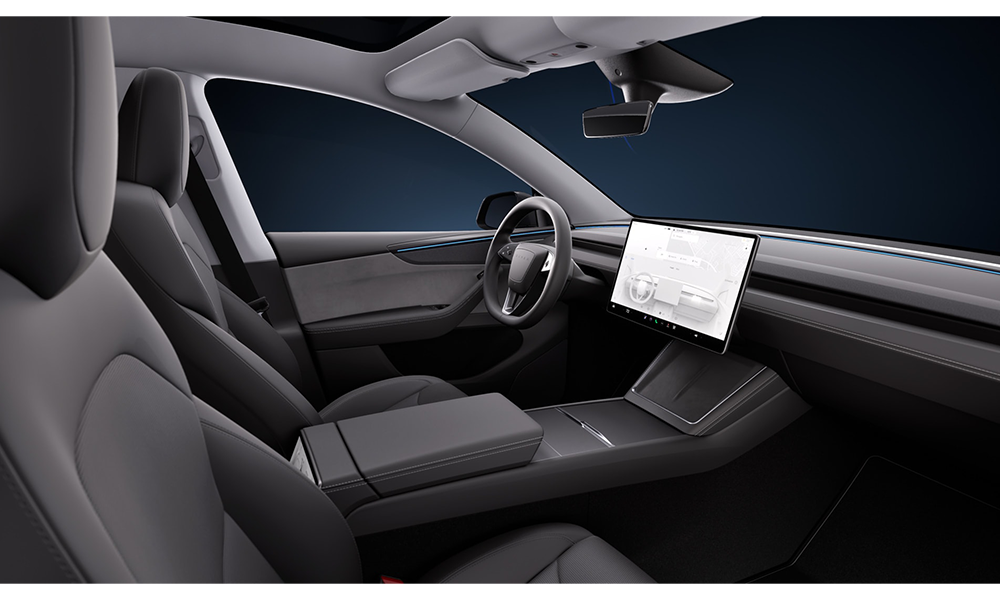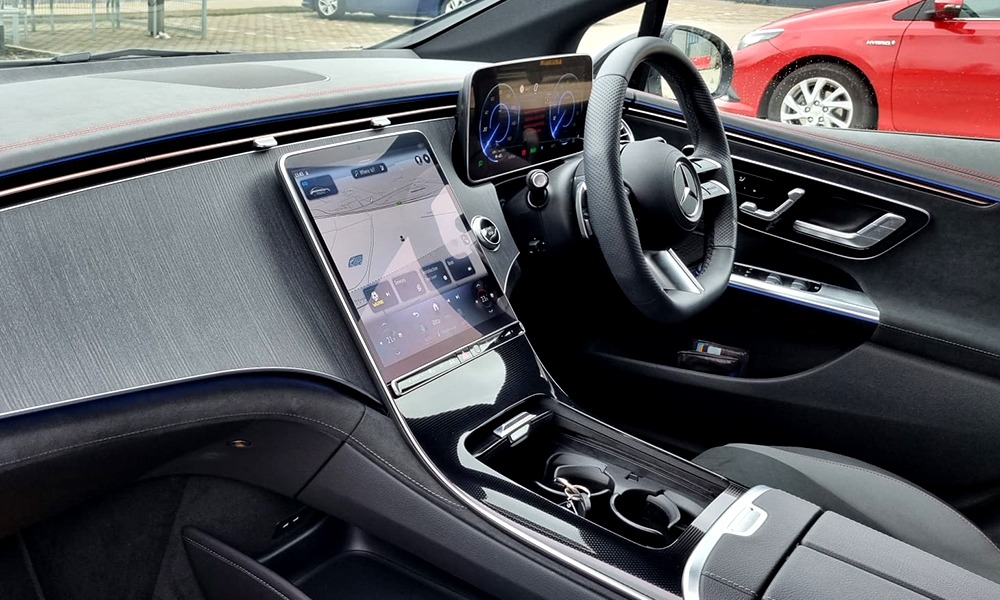
The type of PCO car a driver has can make a significant difference to their weekly expenses, comfort and income as an Uber driver. Electric vehicles (EVs) and plug-in hybrids are both favoured by London private hire drivers. But then which is better for the Uber drivers? It will depend on the way you work.An EV can provide reduced energy costs, no tailpipe emissions and a pleasant driving experience. For long-distance drivers or anyone who doesn’t always have easy access to charging stations, a hybrid or plug-in hybrid may offer you greater flexibility.Your best bet should be based on how many miles you drive, how you charge them, how much you work on Uber, budget and long-term plans. It should also comply with the relevant private hire vehicle requirements of TfL.This guide outlines some of the differences between EV and hybrid PCO cars to assist you in making the best informed decision both as a new and an experienced London car driver.
What’s the Difference between EV and Hybrid PCO Cars?
An electric PCO car has all its needs met by its batteries. Does not rely on petrol/diesel as a propulsion system. A hybrid is a conventional car that uses a petrol engine as its primary power source and an electric motor as a secondary source. A plug-in hybrid (PHEV) does more than that: It enables external charging to the battery and the use of it for electric operation before the petrol engine starts playing a more important role. That difference is important to PCO drivers. The EV is reliant upon charging. Assisted by a hybrid, you’ll have an engine on standby. A plug-in hybrid can be used for shorter distances in electric mode and for longer distances in petrol mode. Currently, Primal Cars has a selection of electric and plug-in hybrid cars, including the Mercedes EQE, BYD Seal, Kia EV6, Kia Sorento PHEV, BMW 530e, and Hyundai Tucson. Fleet availability and weekly costs may vary, so drivers should check the current fleet availability prior to decision making.
So which is better for Uber drivers?
The answers may vary from one driver to another.
You’ll want an EV if you:
- Travel mostly within and to and from London
- Cover high mileage weekly (ex. on a Sunday morning, Monday afternoon, etc.).
- Have reliable access to charging
- Want a quiet and smooth driving experience
- Prefer to avoid petrol costs
- Plan to drive regularly for the long term
If you: have an extended driving range or distance to cover, a hybrid or a plug-in hybrid could be more suitable.
- Regularly make longer journeys
- May not be able to charge at home
- Looking for more alternation between electric and petrol power?
- Work unpredictable hours
Go to areas with public charging where it may be harder to find if you need to charge. Many London Uber drivers don’t just have to choose between EVs and hybrids. What is your best working pattern using which powertrain?
1.Running costs can be a huge factor.The running costs can make a difference.
One of the most important considerations is running costs when it comes to selecting a PCO car. A petrol car has a lot more mechanical parts than an EV. No traditional oil to change, and fewer parts to routine service in the engine. Charging services do, however, come with a price tag. The cost of your energy is dependent on where and when you charge.For drivers with the appropriate charging access, home charging can be convenient. There are public rapid charging stations available, which might save time, but could increase costs.There’s another expense for hybrid drivers to deal with: petrol.Depending on the frequency of charging and the type of driving, the petrol consumption of a plug-in hybrid can be cut if it is charged regularly.So, avoid judging cars by their advertised fuel economy or electric range alone. Review your actual energy use and mileage per week.
-
Charging is the number one EV consideration.
Downtime equals lost earning opportunities for an Uber driver. That’s why charging strategy is very important. When you are considering an electric PCO car, consider the following:
- Where can I be charged?
- How many times will I have to charge?
- Do you allow overnight parking?
- How long will the charging take?
- How much does charging in the public pool cost?
- Do I regularly travel roads that are outside of London?
An EV can be a great solution if you can charge easily between shifts or overnight. If you are using only public charging stations and are working long hours, you should plan accordingly. This is eliminated for a hybrid car as it can be used on the road even past the electric range for the batteries.
-
Think about your Uber driving pattern
Your work schedule can determine which car to get with a PCO.
Full-time London Uber driver
If it can be charged easily, a full-time driver who drives a lot could benefit from an EV. The lower weekly expenses can become more substantial the higher the mileage.But charging time has to be taken into account when calculating.
Part-time Uber driver
A part time driver might be more flexible. If you have less driving hours, you might find it easier to manage charging.It can also be sensible to employ a plug-in hybrid as some journeys could be made by electric motors, while others could be done by fuel.
Airport and longer distance driver
Regularly longer journeys for drivers should be carefully considered in terms of charging access.A hybrid can give reassurance in that it can lessen reliance on charging infrastructure, the petrol engine.That doesn’t mean that a hybrid is necessarily less expensive. It simply lets you get a balance between flexibility and electric driving.
TfL Compliance Still Matters.
A powertrain isn’t the only factor in picking a PCO vehicle. The vehicle must be fitted with the correct licensing requirements of TfL. TfL has separate arrangements for the licensing of private hire drivers, vehicles and operators, and for giving official guidance on the trade.London private hire cars too are subjected to emission and age standards, according to TfL. It is important to note that vehicle licensing requirements may change, so it is important for drivers to always check the most up-to-date official requirements when selecting a vehicle.Just because a vehicle is being marketed as an EV or hybrid doesn’t necessarily imply all the licensing requirements have been met.That’s why having a firm with experience in PCO car hire services would make it easy.
4. TfL Licensing Requirements Matter
The power train is just one aspect of selecting the right PCO vehicle.The vehicle has to satisfy the TfL licensing requirements. TfL licenses drivers, vehicles and operators separately, providing official guidance for the trade. TfL further goes ahead and stipulates that London private hire vehicles have age and emissions requirements. It is always prudent to verify the licensing requirements before purchasing the vehicle since these keep changing.Being an electric or hybrid vehicle doesn’t guarantee compliance with all the licensing requirements.This is the reason why it pays to select a PCO vehicle from an expert company.
5. EVs Could Have an Advantage in London’s Charging Landscape
London’s emission regulations make the choice of vehicle especially important for the PHV drivers.According to TfL, ULEZ applies throughout London (with the exception of M25), and the vehicles not complying with the requirements are liable for the daily charge.There is one more important thing about driving in London in 2026. Starting from January 2026, there was an update to the Congestion Charge scheme. According to TfL, electric cars could be eligible for 25% Cleaner Vehicle Discount when using Auto Pay registration, provided that certain requirements apply. It is worth noting that private hire vehicles do not qualify for an exemption from the Congestion Charge just because they are PHVs.Thus, EVs could have environmental and charging cost benefits, but it does not mean that each London charge vanishes. Always consult TfL regulations first.
6. Rent to Own Could Shift the Equation
Purchasing a PCO car outright is not the sole option open to the prospective owner. Rent to Own can be helpful to those drivers who seek to own their vehicle through regular payments. Primal Cars provides Rent to Own options for PCO drivers, with both electric and plug-in hybrid vehicles included. According to Primal’s plan details on its website, all vehicles come with PCO licensing, comprehensive insurance coverage, servicing, road tax, MOT check twice a year and breakdown cover, depending on the agreement. Nevertheless, drivers need to be aware of all the details provided in the contract.
Know:
- Total amount to pay
- Weekly payments
- Insurance
- Excess and damage
- Servicing responsibilities
- What will happen in case you do not drive anymore
- When will the transfer of ownership occur
- Mileage or usage limitations, if any
Rent to Own is not necessarily less expensive than all other forms of finance. The key advantage may be in its combination of payments, car availability and possibility of ownership.
7. Think about the Earnings, Not Only the Weekly Car Hire
It is often thought about selecting the least expensive weekly PCO car regardless of the overall cost of working.For instance, the lowest weekly car hire fee can appear more appealing. However, the more the vehicle consumes, the more downtime it requires and fails to fit the type of work you usually take on, the weaker your situation could become.On the contrary, estimate the rough weekly picture of working:Weekly earnings − rental/purchase − energy − platform fee − other work-related expenses = earnings after all working expenses are subtracted.Your results depend on the number of working hours, demand, platform fees, miles driven and driving style.This is why there is no single solution to which PCO car is able to provide the greatest Uber earnings.The optimal vehicle is the one that works for you.
Common Errors Made by New Private Hire Drivers
The new drivers tend to emphasize the car more than the overall contract.
Mistakes to avoid include the following:
Making a choice depending on the weekly costs
At times, an automobile which may seem less expensive might actually turn out to be the most expensive one.
It is necessary to understand what comes with it and what does not.
Overlooking the availability of charging opportunities. It can be hard to control an electric vehicle without a charging program.
Thinking that a hybrid vehicle will not require charging
The plug-in hybrid vehicle becomes more efficient electrically when it is charged.Not knowing about the licensing requirements
One should check whether the car is suitable for private hiring services.
Failing to take into consideration the terms of insuranceIt is different from the usual motor insurance.
EV or Hybrid? The Choice Between the Two
Simply follow this guide:
Go for EV if your top priorities include:
- Electric drive
- Convenience of charge
- Miles driven around London
- Smoother and quieter ride
- Decrease dependence on petrol
Go for hybrid or PHEV if your top priorities include:
- Increased driving versatility
- Further distances travelled
- Reduced reliance on charging points
- Combination of electricity and petrol
- More peace of mind with an uncertain working schedule
With the right charging facilities and operating in London on most days, an electric vehicle can be a very good choice for a PCO vehicle.However, if your travel is long distance or charging is not assured, a plug-in hybrid can be a better fit
Where Primal Cars Stands
For the drivers evaluating PCO car hire and Rent to Own schemes, Primal Cars offer flexible rentals, PCO approved cars and Rent to Own schemes of both electric and plug-in hybrid cars.It states on its website that its cars are available for Uber and any other licensed ride-sharing app. The cars offered by the company currently include various types of cars, from Uber X cars to larger and executive cars.This makes it easier for drivers to compare their vehicle choice with the kind of work that they will be doing. For a new driver, what matters is having choices.For an experienced driver, what is essential is comparing the total cost per week with the suitability of the car for the kind of mileage and earnings they make.
Conclusion
Well, what is the better choice for Uber drivers – EV or hybrid?
There are many reasons why the choice of the electric vehicle would suit London Uber drivers if the conditions for recharging are good and most of their journeys occur within the city. However, there is a good alternative to EV – plug-in hybrid when flexibility and trips that require travelling beyond the city boundaries are important.The best way is to find out the exact cost of your driving week.Be sure to check the vehicle’s PCO compliance, get acquainted with the terms of renting and consider your own routine.If you need to compare the possibilities of electric and plug-in hybrid PCO vehicles, Primal Cars offers the service of PCO car hiring and Rent to Own.
FAQs
1.Is an EV more superior to a hybrid for Uber drivers?
An EV could be more suitable for Uber drivers who drive high distances in London with easy access to charging. A hybrid could be more suited to drivers who drive long distances or have no charging available.
2.Is an electric car suitable for London PCO drivers?
Yes, an electric car is very suitable for London PCO drivers because of no emissions and less dependence on petrol. But charging facilities are essential.
3.Are hybrid cars allowed to be used by Uber drivers?
Yes, because hybrid and plug-in hybrid cars are allowed to be used for private hire purposes when the car fulfills the licensing requirements.
4.Is Rent to Own more effective than PCO Hire cars?
Rent to Own could be more suitable for drivers who wish to make payments in order to build up to ownership. While traditional hire is probably better suited for drivers who do not desire ownership.
5.Do PCO drivers need a TfL-licensed vehicle?
Yes. Private hire vehicles in London must be TfL-licensed, along with the required licensing for both the driver and the operator.
6.Which is the best PCO car for Uber drivers?
It is not easy to say what the best PCO car is for all Uber drivers. It depends on how you use your car and what your plans are.