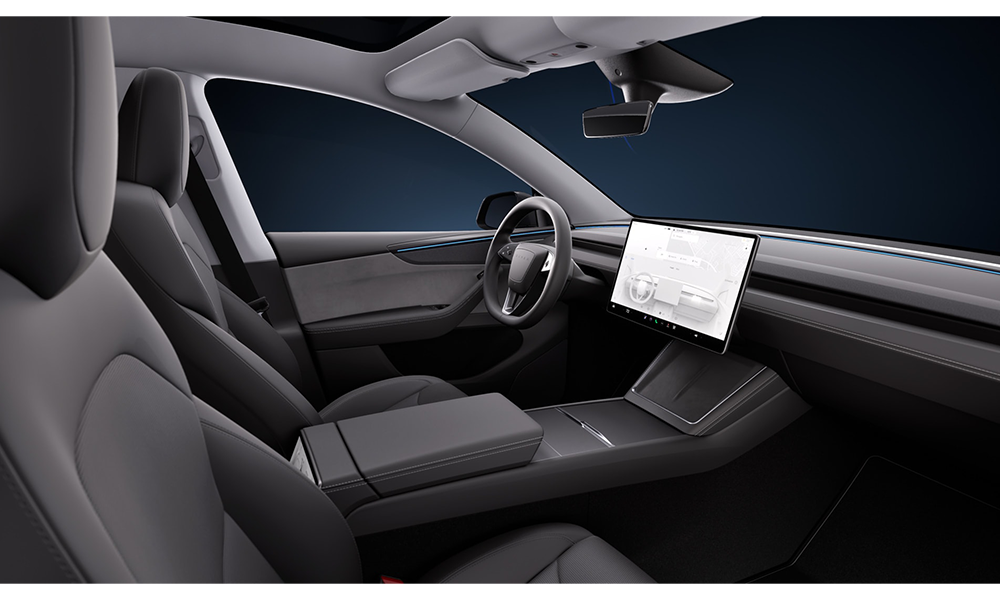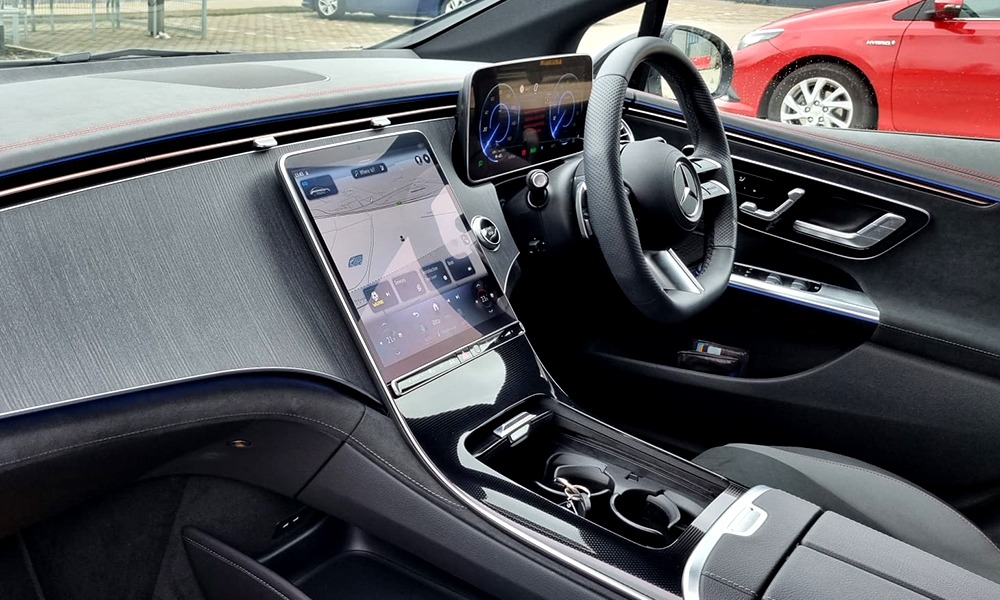
When deciding on which car to buy when you want to drive for Uber, Bolt or any other private hire service in London, it is one of the most important decisions that you will make. A car may appear to be perfect for private hire use but fail to comply with Transport for London (TfL) requirements. The rules are also subject to change over time. One of the most important factors to be aware of is that a car that is first registered as a London private hire car will have to comply with TfL’s Zero Emission Capable (ZEC) rules in 2026. It must also NOT be more than 10 years old at the time of its 1st licensing. This Complete Driver Guide outlines the core TfL PCO car requirements, what new and seasoned drivers need to review and the impact on running costs and earning potential of using an electric or plug-in hybrid car. Please note: TfL regulations may vary. Please refer to the most up to date TfL requirements prior to committing to a vehicle or licensing arrangement.
So, what is a PCO Car in London?
The term used by drivers for a car, which has registration for the purpose of private hire, in London.Licensing of the driver and the vehicle are separate. Any car cannot automatically be used as a private hire car. It must also conform to TfL’s licensing requirements. This distinction is important to drivers.
Consider the following:
- Your private hire driver licence from TfL
- The vehicle’s PHV licence is required.
- Vehicle age
- The emission of substances and the status as a ZEC.
- Vehicle condition
- Insurance
- The procedures for MOT and inspection.
The standards that your private hire or app service provider has set for you. There are also other eligibility requirements for Uber or Bolt and even specific categories of services, which may differ from TfL’s. So, verify both sets of requirements prior to beginning work.
TfL PCO Car Requirements 2026
The vehicle has to be ZEC compliant. From 1 January 2023, all cars that are being registered in London for the first time will be Zero Emission Capable and comply with the relevant Euro 6 emissions standard. The ZEC definition is significant since it is not just “electric car”. TfL have published a definition for a ZEC vehicle that requires it to comply with either of two emissions and electric-driving combinations: At or below 50g/km CO₂ and with at least 10 miles of zero emission range; or EC136 – 75g/km CO₂ and 20 miles of ZE range. In addition, ZEC vehicles must comply with Euro 6 (or higher). This is because under the current rules, plug-in hybrid models are eligible for first time PHV use while petrol or diesel cars aren’t.
-
The vehicle age limit is important
A PHV is not allowed for first licensing unless it is 10 years old or less from the date of first registration. Exemptions for vehicles re-licensed to be 10 years or older apply only to vehicles already licensed by TfL. Please don’t get the years of registration and purchase of the vehicle mixed up. For instance, if a car is purchased in 2026, it will not automatically be a new car. The normal practice for TfL is to determine the age of vehicles based on the date of their first registration. That’s why vehicle history is one of the main factors to take into consideration when purchasing or renting a car. Thirdly, the car should pass the car licensing inspection.Meeting the age and emissions requirements only take you part of the way.TfL’s inspections test a vehicle for adherence to the appropriate licensing conditions. This inspection manual is also valid for documents, age, emissions, previous licensing and vehicle condition.If you’re a working driver, a well-maintained vehicle is a must.Tyres, lights, bodywork, brakes and other safety items must be given proper care. With a clean and well-maintained PCO car, you can also minimize downtime.
What are the things that new PCO drivers need?
A common mistake is to think that getting a car is the first step. You can make learning more about the driver licensing process easier. The current policy applies to all new applicants for PHV licences and requires them to submit documents such as a valid relevant driving licence, medical declaration, DBS information, evidence of permission to work etc. Applicants will also need to pass the necessary assessments. These are for the benefit of PHV drivers:
- Assessment of English language speaking and listening.
- Safety, Equality and Regulatory Understanding (SERU) assessment
- Topographical skills assessment
TfL needs an appropriate level of English which is coordinated with the B1 level requirement for reading, writing, speaking and listening. If you’re new to the private hire driving world, then reserve for the licensing procedure before you arrange your long lasting auto remedy.
Electric vs Plug-In Hybrid PCO Cars
The most significant decision for Londoners driving will be between full electric vehicles and plug-in hybrids. They both can be used in private hire.
Electric PCO cars
A fully electric PCO car doesn’t emit any tailpipe pollution while operating. If an EV driver has access to charging infrastructure that is reliable, it will be a desirable option as they will not have to pay a petrol or diesel bill. But charging time, daily distance travelled and public charging costs should also be taken into account. For instance, if you are a driver that works long hours, you might have to schedule your charging times around when you are working. Not all EVs are created equal and the longest advertised range does not necessarily make the best EV. The better option will be the vehicle which will best suit your actual working schedule.
PCO cars that are plug-in hybrids.
A plug-in hybrid is a hybrid that utilizes both an electric and an internal combustion engine. This can provide additional convenience for those who are frequent road trippers or don’t have convenient access to charging. Not all hybrids or plug-in hybrids will meet TfL’s ZEC requirements but you should never take this for granted. Always check the specification, exact model and licensing before purchasing. TfL’s ZEC requirements are prescriptive.
How the Right Car Could Influence Your Driver Income
Your total income from app bookings doesn’t tell you everything.Instead of looking at your app earnings in isolation, it would make sense to think about your net driving position. Think of: Weekly car costs (rent/own) + insurance + energy + fuel + idle time + other expenses. Afterwards, compare it against how much money you’ll make per week driving a certain car.The most affordable car rental might not be the most economical. A more efficient car will lower energy costs, while a more expensive one might provide you with additional opportunities to earn.If you drive for Uber or Bolt, look into the platform requirements for the car first.
Rent to Own Versus Traditional Car Financing
It is possible that Rent to Own may appeal to drivers who would like to have a go at achieving ownership but through an alternative method from traditional car financing. Traditional financing includes the use of credit checks, finance agreement and a longer term arrangement. However, Rent to Own operates under a different approach, and drivers should be aware of what the payments will be, terms of ownership, and the overall costs involved. Primal Cars offer Rent to Own deals for PCO drivers where their website claims to offer flexible deals for drivers to have a go at ownership.The message is simple – do not judge the weekly payment alone. Before signing up for any Rent to Own agreement, consider the following questions:
- What is the total payment required?
- When is the date of transfer of ownership?
- What is covered by weekly payments?
- Is there any insurance?
- What about servicing and maintenance?
- How does it operate when you stop driving?
- What about the repairs on your vehicle?
- Are there any restrictions on the usage?
Common PCO Car Pitfalls to Watch Out for
Choosing your PCO car solely by priceA good price per week may seem very tempting. But you should take into account fuel/charging, insurance, reliability and platform eligibility issues as well.
Thinking that all hybrids are eligible
It is one of the biggest misconceptions. The TfL criteria for ZECs rely on the level of emissions and zero emission driving standards. Not all “hybrids” meet them.
Neglecting the actual registration date
When buying a second-hand PCO car, you shouldn’t be guided by its age from the day of your purchase.Make sure to find out the exact registration date when buying an already used PCO car.Failing to consider platform requirements
Not all platforms have the same standards of eligibility as TfL.
Uber, Bolt and many others may have different requirements regarding the vehicle category and age, so make sure you know all about it.
Neglecting the issue of downtime
No earning while the car is parked means no profit for you.Therefore, reliability is at least as important as the cost per week.
A Practical Example for a New Driver
Let’s assume that a new PCO driver has just got his/her license.He/she is faced with a dilemma.The first car is cheaper weekly but uses more energy and is not very flexible regarding his/her plans to drive.The second one is more expensive weekly but more suited to his/her needs.However, instead of picking the first one instinctively, the driver should calculate his/her expenses on a weekly basis.He/she should also take into account the availability of charging station access, eligibility to use the platform, carrying capacity, and working hours.This will help avoid the common error of selecting the cheapest car instead of the most appropriate working model.
Position of Primal Cars
Primal Cars offers PCO car hire and Rent to Own services to London private hire drivers. At present, the website shows the availability of electric and plug-in hybrid cars, along with the weekly hire option.PCO car hire offered by Primal Cars includes the provision of cars as PCO ready, which include provisions such as PCO licence, comprehensive insurance, servicing and maintenance, road tax, MOT every six months, and 24/7 breakdown cover. The current fleet includes cars like Mercedes EQE 350+, Mercedes EQE 300, BYD Seal Design, Mercedes E300e, BMW 750e, and Kia Sorento PHEV, among others, and is based on availability.For the driver, it means having the choice of cars that can be evaluated on the basis of what will suit him best in the scenario of London private hire driving.Primal Cars has also mentioned that it has been supporting the PCO drivers since 2013 and offers customer contact service all 24/7 hours.In case you wish to opt for Primal Car’s rent services or Rent to Own facility, do consider the current vehicle specification, the weekly cost, and the insurance aspect.
2026 PCO Driver Checklist
Prior to taking up private hire duties in London, consider:
- TfL PHV driver license prerequisites
- English test and SERU assessment
- Topography test
- Date of first registration
- ZEC obligation set out by TfL
- Euro 6 compliance
- PHV licensing
- Vehicle testing requirements
- Insurance provisions
- MOT requirements
- Vehicle suitability for Uber or Bolt services
- Costs of weekly rent or purchase
- Cost of charging or fuel
- Maintenance provision
- Breakdown assistance
- Contract details
Grouping all these factors together makes the decision much easier.
Conclusion
It is not very hard to comprehend the TfL PCO car regulations for 2026 as long as you divide the requirements into two categories; driver and vehicle.The essential things you need to know include ZEC licensing requirements, a maximum age of ten years and vehicle compatibility and maintenance. The best method for both new Uber and Bolt drivers is to first find out the licensing requirements and then select the car that suits them most with regard to overall cost.Both electric and plug-in hybrid PCO cars are viable choices. The one that is more suitable for you will depend on your mileage needs, charging availability, budget and earning plan. If you are considering PCO car rental or Rent to Own deals, you can take a look at the available options on the website of Primal Cars and make a choice depending on your private hire needs.SEO Remark: You can update TfL requirements and licensing costs. You need to verify the official TfL guidance on the issue.
FAQ s
1.TfL PCO Car Regulations in 2026
A PHV that is registering for the first time in London should comply with the ZEC regulation and cannot be more than 10 years old from the date of its initial registration.
2.Is it possible to use a hybrid car for PCO in London?
Yes, since some plug-in hybrids are eligible for ZEC status as defined by TfL due to their low CO2 emissions and range of zero emissions drive.
3.What is the maximum age of a PCO car in London?
When first applying for a license, a PHV cannot be older than 10 years since its first registration date. The same rule applies to vehicles which have been licensed by TfL, with the exception of any exemptions that may apply.
4.What is the maximum age for a PCO vehicle in London?
The maximum age of the first PHV license is 10 years old since the date of the first registration of the vehicle. All vehicles licensed with TfL must not exceed 10 years old during their re-licensing period.
5.Which one is better – an electric PCO car or a hybrid?
None of them will be better for everybody. Electric cars can work great for those who find charging their vehicles easy and know how much distance they drive.
6.Is Rent to Own better than PCO car rental?
Rent to Own can be a good choice for people who are trying to achieve ownership through renting, but traditional rentals don’t have such ownership aspirations.
7.What is expected from PCO drivers when considering hiring a vehicle?
It is important to check whether a vehicle is licensed by TfL, its ZEC registration, age, insurance, MOT, maintenance, and platform compliance.